Modern Dairy Biodiversity Practices
1. Saline-Alkali Land Improvement and Ecological Restoration
Section titled “1. Saline-Alkali Land Improvement and Ecological Restoration”At our Shuangcheng Farm, we have divided the responsibility areas according to the division in the saline alkali area and continued to try to plant various salt-resistant crops. Additionally, we are encouraging surrounding residents to grow silage corn with strong drought-resistant and salt-resistant abilities, promoting soil improvement in saline-alkali areas.
The comprehensive improvement project for saline-alkali land in the Modern Grassland Industry Forage Park of Tuoketuo County focuses on solving issues such as low crop emergence rates and low yields. The project increases soil organic matter and porosity and gradually reduces the salinity and alkalinity of the land through measures such as digging alkali-drainage ditches, spreading composted cow manure, applying microbial fertilizers, acidic fertilizers, and microbial fertilizers.
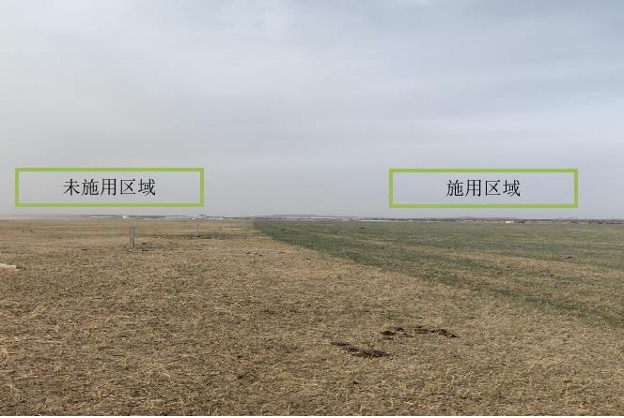
In 2024, Saibei Farm reached an agreement with China Agricultural University and China Grassland Industry Association regarding the project cooperation intention. Under the project, biogas fertilizer was used to restore degraded mowing and grazing grassland in Heichengzi Natural Grassland in Zhenglan Banner, which is 20 km away from the farm. Approximately 10mÑ of biogas fertilizer was applied per mu of grassland. After the application, the regreening of the fertilized grassland was about one week earlier than that of the non-fertilized plot, with the fertilized forage reaching a height of 25 cm. The total yield of the fertilized grassland increased by about 40%.
2. Recovery, Reclamation and Restoration Initiatives in Disturbed Areas
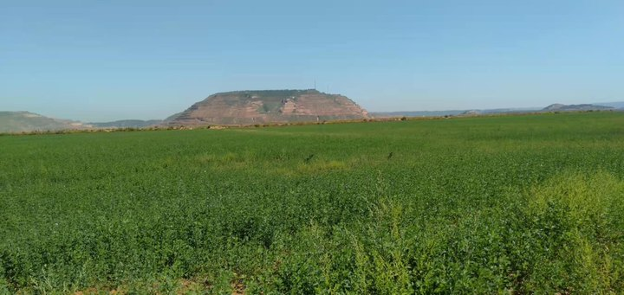
Section titled “2. Recovery, Reclamation and Restoration Initiatives in Disturbed Areas”The Company is continuously investigating novel strategies for the ecological restoration of disturbed land. In collaboration with a mining company, we implemented the Xinyuan Farm mining reclamation project. To create a green industry that combines planting and breeding with circular resource usage, this project entails constructing organic forage bases and premium dairy farms on former mining sites. We seek to address the difficulties the mining industry faces in ecological recovery while restoring ecosystems affected by mining operations, including biodiversity, soil quality, and water quality, through contemporary, sustainable methods.
3. Grazing-Mowing Rotation and Biogas Fertilizer Restoration Technology Included in Reserve Pool
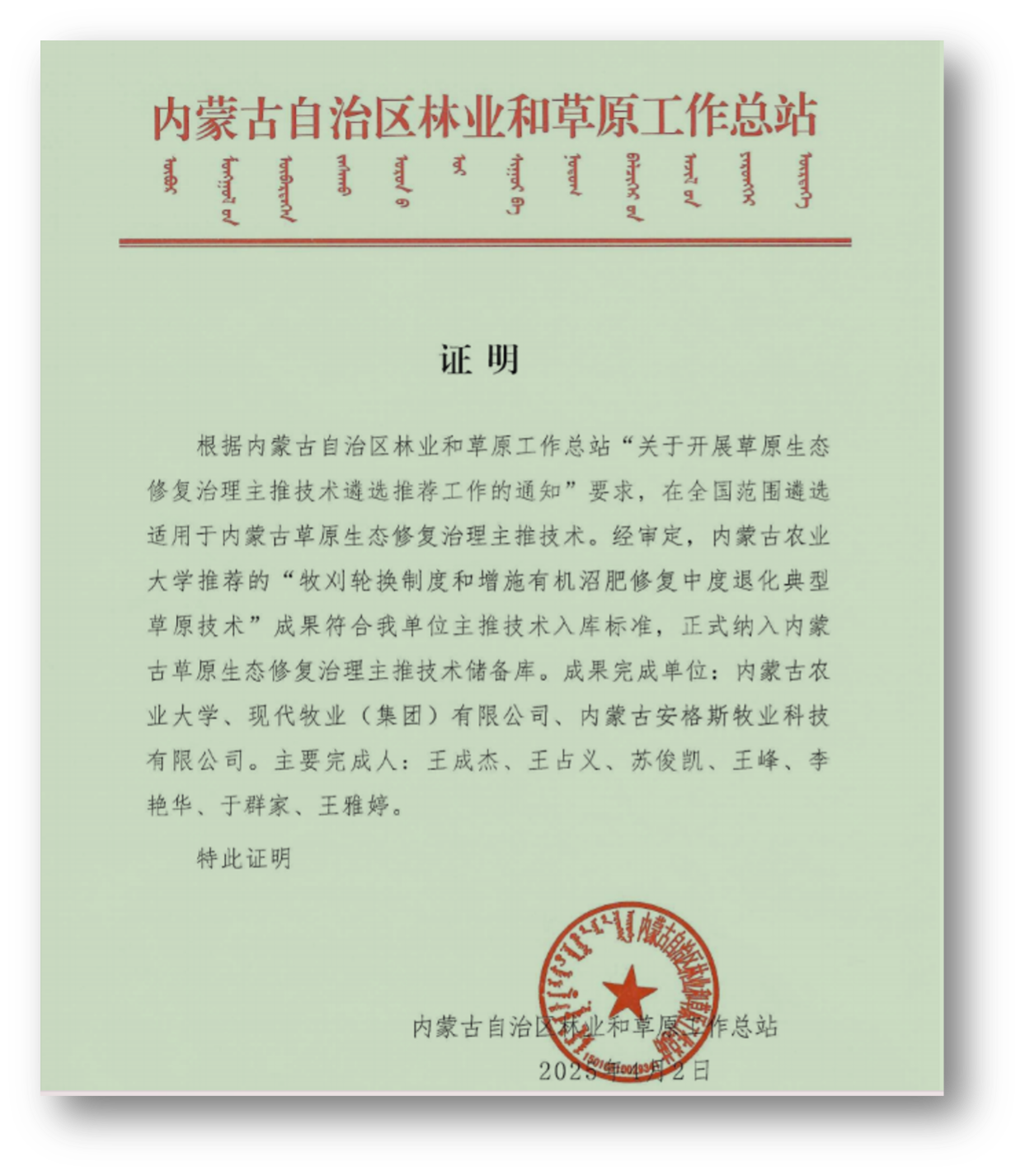
Section titled “3. Grazing-Mowing Rotation and Biogas Fertilizer Restoration Technology Included in Reserve Pool”The technological achievement titled “Grazing-Mowing Rotation System and Application of Organic Biogas Fertilizer for Restoring Moderately Degraded Typical Grasslands,” completed with key participation from Modern Dairy (Saibei) Co., Ltd. and recommended by Inner Mongolia Agricultural University, has been formally included in the Inner Mongolia Grassland Ecological Restoration and Governance Main Promoted Technology Reserve Pool.
4. Shuangcheng Farm Releases Biodiversity Survey Report
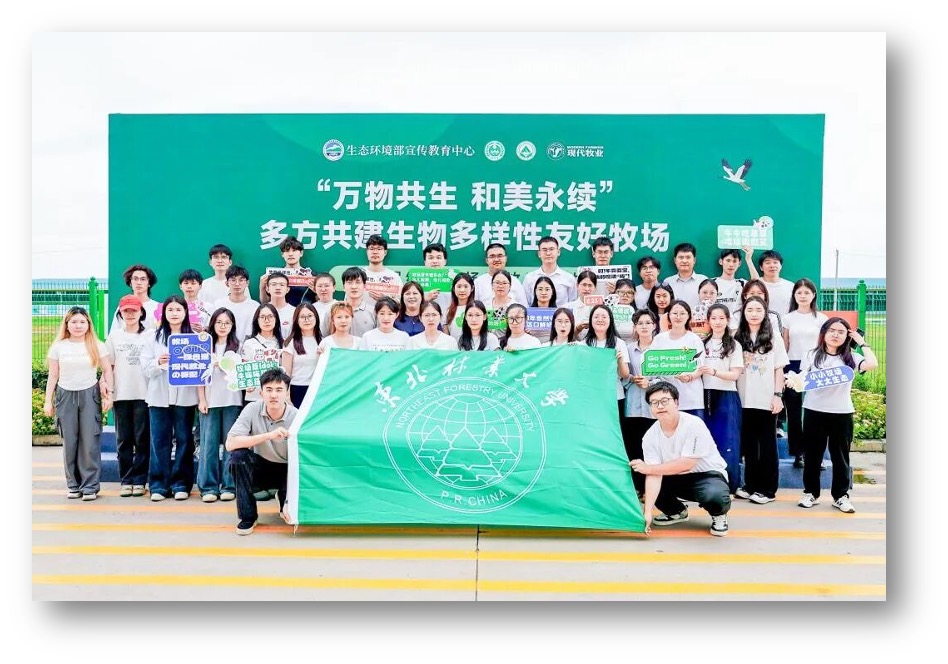
Section titled “4. Shuangcheng Farm Releases Biodiversity Survey Report”On August 23, 2025, the 3rd Green Farm Open Day was successfully held at Modern Dairy Shuangcheng Farm under the theme “Coexistence of All Beings, Harmony and Sustainability: Multi-party Joint Construction of Biodiversity-Friendly Farms.” Relevant leaders from the Center for Environmental Education and Communications of the Ministry of Ecology and Environment, the Department of Ecology and Environment of Heilongjiang Province, and the Shuangcheng District Government of Harbin City attended the event and delivered speeches. The Modern Dairy Shuangcheng Farm Biodiversity Baseline Survey Report, shared by scholars from Northeast Forestry University, served as the core achievement of this event in empowering the animal husbandry industry. Through a systematic survey of biological populations such as plants, insects, and birds at Shuangcheng Farm, the report clearly outlined quantitative data on the harmonious coexistence between large-scale farms and natural ecology for the first time, providing a new model for the industry to map out its “ecological inventory.”